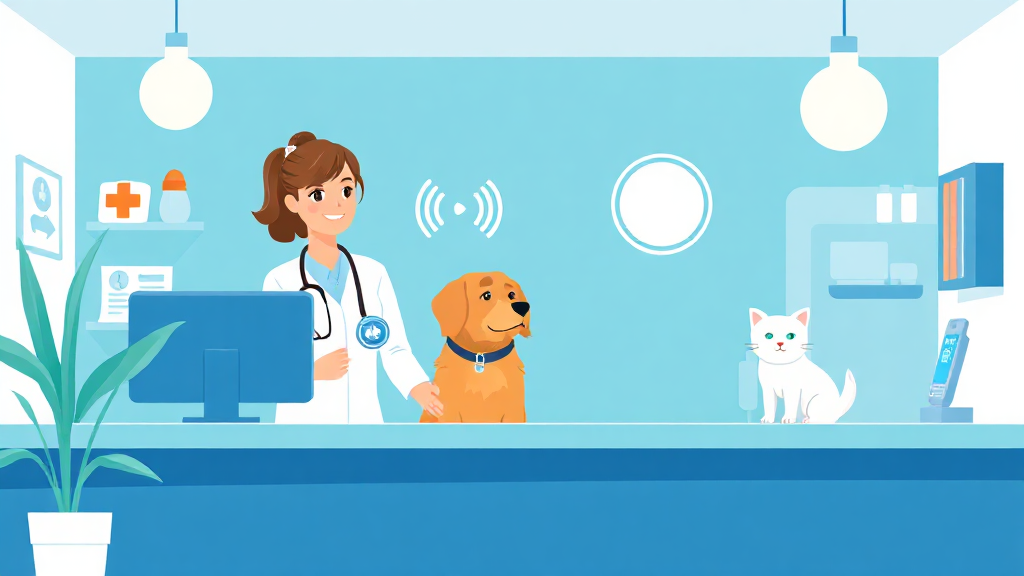
The phone starts ringing just as a vet tech is holding a nervous cat for bloodwork, the clinic manager is helping at the front desk, and a dog owner is asking whether post-op vomiting is normal. In that moment, the AI voice agent that a growing number of veterinary clinics across Canada are starting to look at isn’t some futuristic add-on. It’s a practical way to keep calls moving while staff stay focused on the animals in front of them.
That scene plays out every day in Toronto, Calgary, Ottawa, Vancouver, Mississauga, Edmonton, Winnipeg, and Halifax. Veterinary clinics don’t just handle “regular reception” calls. They field urgent symptoms, vaccine questions, prescription refill requests, follow-ups, and appointment changes—often all within the same ten-minute stretch.
The phone problem in veterinary clinics is bigger than it looks
Most clinic owners already know the feeling: the team is busy, the line backs up, voicemail fills, and by lunch there are still calls nobody has returned. The issue isn’t poor service. It’s simple capacity.
Industry data suggests the average veterinary clinic leaves roughly 24% to 28% of incoming calls unanswered—about 1 in 4 calls—according to recent veterinary phone statistics. That would be bad enough on its own, but the bigger problem is caller behaviour. About 85% of people who hit a busy line or no answer won’t call back and usually won’t leave a voicemail. They move on to another clinic.
And what are those calls about? On a typical day, roughly 30% are urgent or emergency-related, 50% are appointment bookings, and 20% are follow-ups like results, post-op questions, or vaccine reminders. Over 90% of appointments are still booked by phone, even now. So when phones go unanswered, clinics aren’t just missing messages—they’re missing care opportunities and revenue.
What an Agent IA Vocal actually does on a vet-clinic call
For veterinary teams, Agent IA Vocal acts like a trained phone receptionist that answers instantly, follows the clinic’s rules, and knows when to escalate. It can book appointments, answer common service questions, handle refill or follow-up requests, and route urgent calls based on what the pet owner says.
If someone calls saying their dog is struggling to breathe, the call can be treated very differently from someone asking about nail trimming availability next Thursday. That distinction matters. An AI phone agent for a veterinary clinic should not “guess”—it should follow clear clinic-approved pathways for emergencies, after-hours instructions, and staff escalation.
It can also manage routine requests that eat up reception time: appointment confirmations, vaccine-related follow-ups, refill intake, and call screening. The goal is not to replace your front-desk team. It’s to stop forcing them to choose between a ringing phone and the patient already standing in front of them.
Where clinics usually see the biggest automation wins
1. Appointment booking. Since most appointments are still booked by phone, this is usually the first big win. Agent IA Vocal can collect the reason for visit, offer available times, and place the booking in the clinic workflow instead of letting that call drift to voicemail.
2. Emergency and urgent-call routing. When about 30% of calls are urgent, every second matters. The agent can identify red-flag situations and direct callers according to the clinic’s emergency process, including after-hours instructions when the practice is closed.
3. Prescription refill and follow-up intake. These calls are important, but they often interrupt staff repeatedly throughout the day. A voice agent can gather the pet name, owner details, medication request, and callback information so the medical team can review properly instead of trying to capture everything between appointments.
4. No-show reduction and reminders. Many clinics deal with 15% to 25% no-show rates. Better phone handling, confirmations, and follow-up workflows can help reduce that leakage. If your team is already stretched, who has time to chase every missed confirmation manually?
There’s a financial side to this too. Missed calls don’t just create stress; they create lost revenue. Research on healthcare phone operations shows inefficient call handling can leave more than $100,000 per year on the table, as outlined in this breakdown of missed-call costs. For a busy Canadian veterinary practice, that adds up quickly.
After-hours matters more than most clinics think
A lot of pet-owner panic happens outside regular hours. The limping dog at 8:40 p.m. The cat that stopped eating on Sunday morning. The family that suddenly realizes they’re out of medication on a long weekend. If the only answer is voicemail, many callers won’t wait around.
That’s where a 24/7 voice setup changes the picture. Agent IA Vocal can answer after-hours, provide the clinic’s approved instructions, route emergencies properly, and capture non-urgent requests for follow-up. For clinics trying to keep answering calls after hours and during busy periods, this is often one of the fastest ways to improve the client experience.
And yes, this is especially relevant in multilingual urban markets. In cities like Toronto, Vancouver, and Ottawa, callers may be more comfortable starting in English, French, or another language cue. A well-configured voice agent helps clinics respond more consistently across Canada’s real-world communication mix.
Voicemail is not a safety net anymore
Many clinics still treat voicemail as the backup plan. The problem? Pet owners don’t use it the way clinics hope they will. If 85% of callers won’t call back and typically won’t leave a message after hitting a busy or unanswered line, voicemail isn’t protecting your schedule or your service levels.
It’s also not ideal for urgent situations. A voicemail box can’t ask a follow-up question. It can’t tell whether “my dog ate something” is mild or critical. It can’t redirect to emergency care in real time. There’s a reason more practices are comparing voicemail versus an AI phone agent for missed calls instead of assuming the old setup is good enough.
Common owner objections—and fair answers
“Will it handle a real emergency properly?” It should never improvise medical advice. What it can do is identify urgency cues, follow your clinic’s rules, and route the caller fast. That’s far better than letting an urgent call ring out during surgery intake.
“Will pet owners hate talking to AI?” For routine tasks, comfort is rising quickly. Broader business adoption of AI voice is growing, with roughly 34% of businesses with 10 to 500 employees deploying or piloting it by early 2026. Consumer comfort with AI voice for routine requests has reached about 62%, up sharply from 2024, and healthcare-related sectors are among the strongest adopters. If the call is answered right away, handled politely, and gets the owner where they need to go, most people care more about speed than technology labels.
“Is medical information safe?” Clinics should absolutely ask how data is handled. The right setup limits access, follows appropriate security practices, and only collects what the clinic actually needs for the call flow. In other words: treat it like any other patient communication channel, with proper safeguards.
Who sets it up? TECHMA does the work for you
This is the part many clinic owners are relieved to hear: you do not have to build scripts, map call flows, or train the system yourself. Agent IA Vocal is done for you by the TECHMA team.
TECHMA handles the build, trains the agent on your clinic’s services and pricing, connects it with your calendar, CRM, and SMS workflows, tests the call logic, and launches it on your existing phone number. If you want to see how that works in practice, here’s more on connecting an AI voice agent with your calendar, CRM, and SMS tools.
That matters because clinic managers are already busy enough. Nobody wants “one more software project” sitting on the to-do list for six weeks.
FAQ from Canadian veterinary practices
Can it work with our current phone number? Yes. Agent IA Vocal can go live on your existing clinic number, so pet owners keep calling the same line they already know.
Can it book appointments and still transfer certain calls to staff? Yes. It can handle routine bookings while escalating specific call types—like urgent cases, medication questions, or VIP clients—based on your clinic’s preferences.
What if our clinic has custom services and pricing? That’s part of the done-for-you setup. TECHMA trains the agent on your services, policies, and pricing structure so responses reflect how your clinic actually operates.
Is it affordable for an independent practice? Plans start at 49$/month, which makes it accessible for smaller clinics as well as multi-location groups.
AI voice agent veterinary clinic Canada: a practical next step
When your team is juggling patients, anxious pet owners, and a phone that never seems to stop, the issue usually isn’t effort. It’s that the front desk can’t be in two places at once. Agent IA Vocal gives Canadian veterinary practices a way to answer faster, route urgent calls properly, and capture more bookings without piling even more work onto staff.
If you want to see how it could fit your clinic, you can book a demo or review the current plans and pricing. For many clinics, the real question isn’t whether the phone problem is costing them. It’s how much longer they want to leave it unsolved.