The appointment that never shows up
Picture a Tuesday morning at a physiotherapy clinic in Halifax. The 9:00 is on the schedule, the therapist is ready, the treatment room is booked. Nine o'clock comes and goes. At 9:20 someone finally calls the patient, who answers a little sheepish: they forgot, or something came up, or they thought they had cancelled. The slot is gone. Nobody was waiting to take it, and by the time the front desk could have offered it to someone else, the morning is half over.
Multiply that by a few empty chairs a week and you have one of the quietest, most expensive problems in any appointment-based business — a dental office in Calgary, a hair salon in Winnipeg, an HVAC company in Mississauga, an immigration consultant in Vancouver. The work was booked. The revenue was planned. And then it simply didn't happen.
Reminders are the obvious fix, and most businesses already send them. The interesting question in 2026 isn't whether to remind people — it's why so many reminders still fail, and what an AI voice agent changes about that. This is a practical look at both.
What a no-show actually costs you
Start with how common they are. Across 105 studies of healthcare appointments, the average no-show rate lands around 23% — and the range is wide. In Canada specifically, published figures run anywhere from roughly 10% at some Quebec academic family practices to 25% or more at busy inner-city clinics, according to a CMAJ series on missed appointments. Salons and barbershops tend to sit lower, in the 3–4% range, while specialty medical and dental practices can climb much higher. Your number depends on your industry, your clientele, and — more than most owners expect — on how you handle reminders.
The cost is easy to under-count because it hides. A single missed slot isn't just the fee you didn't collect; it's the staff member who was paid to be there, the room or equipment that sat idle, and the customer further down your waitlist who could have had that time. A rough-but-honest way to size it: take your average revenue per appointment, multiply by the number of no-shows in a typical week, and multiply by the weeks you're open. Eight no-shows a week at $120 each is nearly $46,000 a year walking out the door — and that's before you count the goodwill lost with the people you couldn't fit in.
Here's the part that should make you optimistic rather than discouraged: a surprising share of no-shows aren't people blowing you off. When Canadian clinics have surveyed no-show patients, more than half said they simply forgot to call and cancel, and about one in ten didn't realize cancelling was expected at all. Those aren't lost causes. Those are appointments a good reminder — and an easy way to reschedule — would have saved. We dug into this specifically for dental clinics and what no-shows really cost Canadian practices.
Reminders work. Most of them are just set up to fail.
The evidence that reminders reduce no-shows is genuinely strong, not marketing fluff. A Cochrane review of appointment reminders found that text and phone reminders measurably improve attendance across dozens of trials. One widely cited analysis of 29 studies put the average reduction from automated SMS or phone reminders at around 29%, with live manual phone calls doing even better at roughly 39%. So reminders work. The gap is in how they're delivered.
Think about the last automated reminder you got. Probably a text: “Reply C to confirm.” Fine if you're going to show up. But what if you can't make it? Now you have to call back during business hours, wait on hold, and sort out a new time — so most people don't. They just don't show. The reminder did its job of reminding and still failed at its real job, which is keeping your calendar full.
Email is worse. Open rates for appointment emails sit around 20–30%, and a reminder nobody opens isn't a reminder. The uncomfortable truth is that one-way reminders are good at jogging memory and bad at the thing that actually loses you money: the customer who needs to change plans and has no frictionless way to do it.
Where an AI voice agent actually helps
An AI voice agent isn't a magic no-show eliminator, and anyone promising to “cut no-shows 50%” is selling you a number, not a tool. What it is, is a reliable way to make the kind of reminder that works best — a real, two-way phone conversation — at a scale and consistency a busy front desk can't match.
The difference is the conversation. A capable agent doesn't just say “you have an appointment Thursday at 2.” It asks, “Does Thursday at 2 still work for you?” If the answer is yes, it confirms and logs it. If the answer is no, it offers the next three open slots, rebooks on the spot, and releases the old time back into your calendar so someone else can take it. That's the loop one-way texts can't close — and closing it is where the recovered revenue lives.
It also handles the parts humans quietly skip when things get busy: calling every single person rather than just the ones there's time for, trying again later when there's no answer, leaving a short voicemail, and doing all of it in English or French depending on who picks up. If you've thought about how an agent handles the inbound side too, we've written about what an AI voice agent must do to actually book appointments — the reminder calls are the same skillset pointed outward.
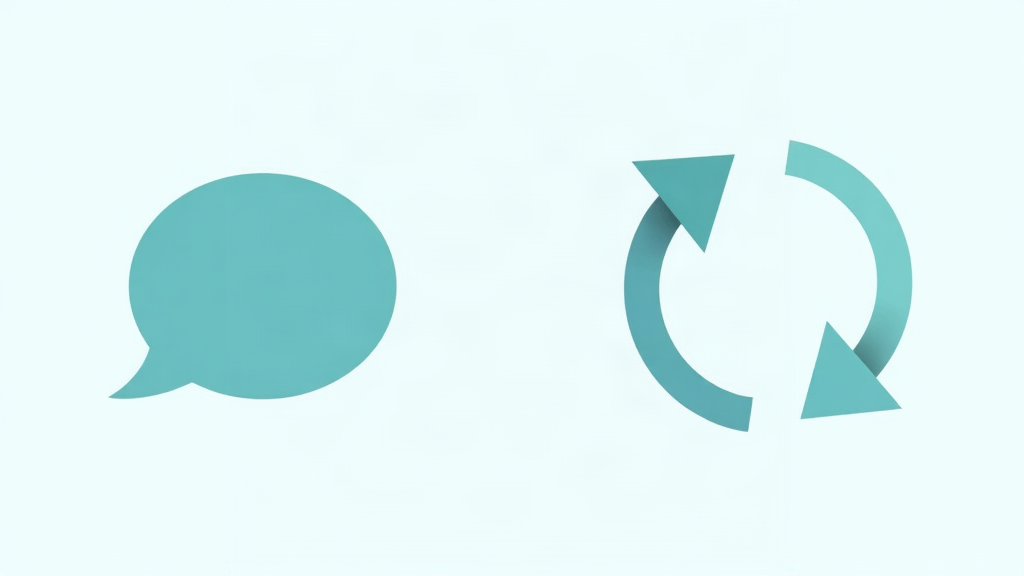
Illustration contrasting a one-way text reminder with a two-way AI voice reminder call
What a good reminder call actually sounds like
Timing matters more than most people think. The pattern that tends to work: a confirmation a few days out, when there's still time to rearrange the week, and a short nudge the day before. More than two or three touches and you start annoying the exact loyal customers you're trying to keep, so resist the urge to over-remind.
The call itself should be short, warm, and get to the point: who it is, when the appointment is, and one clear question — are you still good to come in? It should handle a “no” gracefully by offering real alternatives, not dead-ending into “please call us back.” When nobody answers, it should leave a brief, friendly voicemail that doesn't spill private details, and ideally follow up with a text so the person has the date in writing.
And it has to know its limits. A reminder call that runs into a billing dispute, a medical question, or an upset customer should hand off cleanly to a human rather than bluff its way through. The goal isn't to sound human at all costs. It's to be genuinely useful and to get out of the way the moment a person is actually needed.
The compliance part nobody puts in the brochure
Automated calls in Canada aren't a free-for-all, and this is where a lot of DIY setups quietly step offside. Outbound automated calls fall under the CRTC's Unsolicited Telecommunications Rules, which govern things like identifying yourself, honouring do-not-call requests, and the hours you're allowed to dial. Reminder calls to existing customers about a booking they made generally sit on firmer ground than cold marketing, but “generally” isn't “ignore it” — you still need to get the basics right.
A few principles keep you safe. Get consent to contact people by phone at the time they book, and keep a record of it. Be upfront that it's an automated assistant — customers increasingly expect that honesty, and in 2026 it builds more trust than it costs. Mind privacy: voicemails and call logs can contain personal information, so handle them the way Canadian privacy law expects. And if you record calls at all, that's its own topic — we covered recording calls legally with an AI voice agent in Canada in detail.
None of this is a reason not to automate. It's a reason to automate deliberately, with a vendor or setup that treats Canadian rules as a design requirement rather than an afterthought.
How to tell if it's actually working
Before you turn anything on, write down your current no-show rate. You can't prove an improvement you never baselined, and “it feels better” is not a number you can take to the bank. Most booking and practice-management systems can tell you what share of appointments were missed over the last few months — start there.
Then watch the right things. Your no-show rate is the headline, but the more telling number is how many appointments got rescheduled instead of silently missed — that's the conversation doing its job. Track how many freed-up slots actually got refilled, and keep an eye on whether customers are reacting well to the calls. If you want to be rigorous, remind one group and leave a small comparison group on your old process for a few weeks; the difference between them is your real lift, stripped of seasonality and wishful thinking.
Set expectations like an adult. The research suggests good reminder programs cut missed appointments by something in the range of a quarter to a third, not to zero. If a few empty slots a week become one, that's a genuine win that pays for the system many times over — and it's an honest target, which matters more than an impressive one.

A small-business owner reviewing a full appointment schedule on a tablet
Where to start
You don't have to automate everything on day one. Pick the appointment type that hurts most when it's missed — the long first consult, the Saturday slot everyone wants, the service call that ties up a technician — and run reminder-and-reschedule calls just for those. Learn what your customers respond to, tune the script and the timing, then widen it.
The quiet math of a no-show is that it costs you twice: once for the slot you lost, and again for the customer you could have served in it. Reminders have always been the fix; what's new is that an AI voice agent can finally deliver the version of a reminder that works — a real conversation that confirms, reschedules, and refills — for every booking, in both official languages, without burning out your front desk. For a business anywhere in Canada that lives and dies by its calendar, that's not a gadget. It's the difference between a schedule that's full on paper and one that's full in the room.