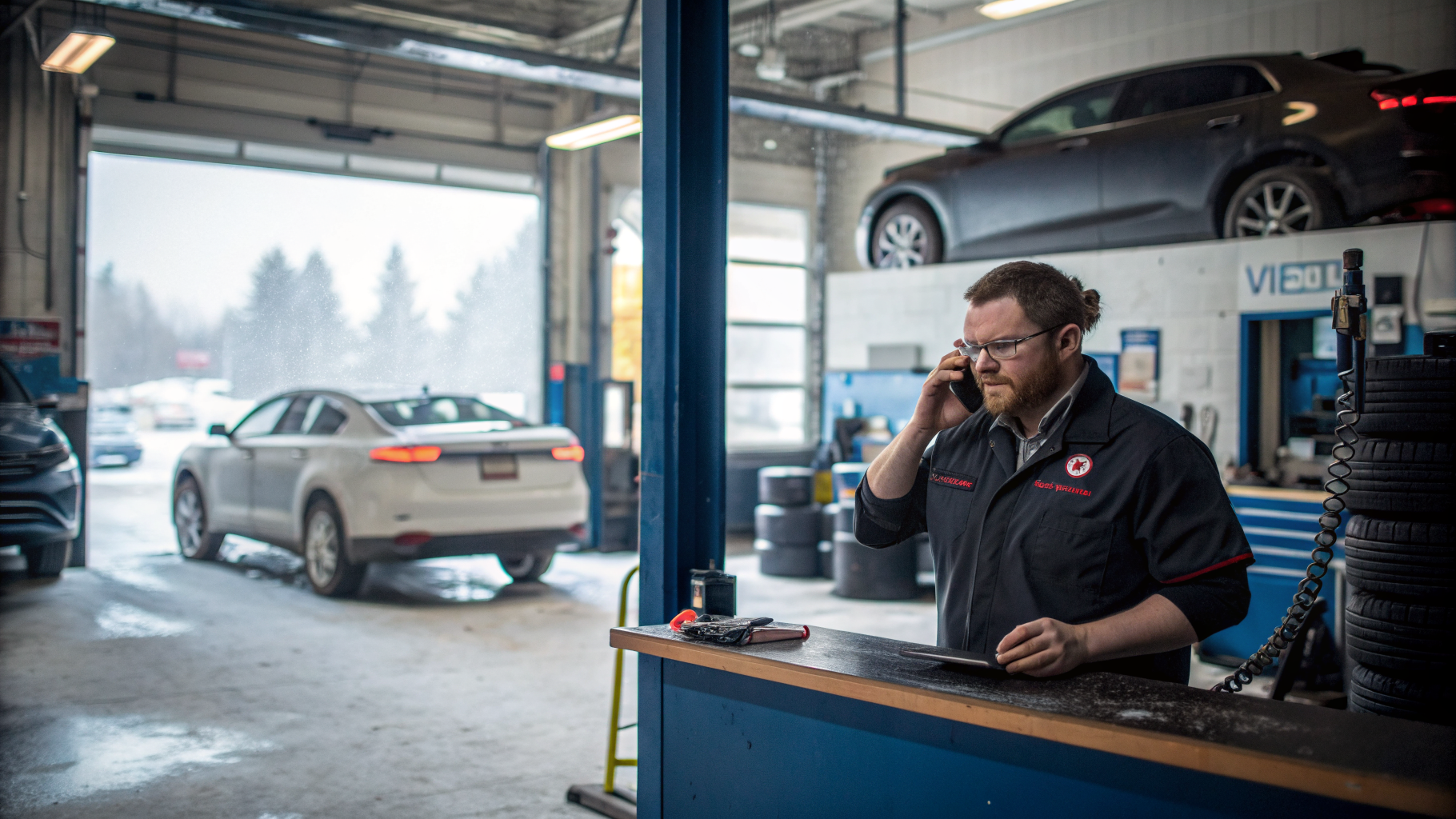
It's 8:05 on a Monday morning in mid-November. Overnight, the first real snowfall hit. Inside your shop, both phone lines are ringing at once, a customer is already waiting at the counter, and your service advisor has his hands buried in a wheel hub. Nobody picks up. The caller on the line just hung up - and is now dialing the shop across the street.
This scene plays out thousands of times every fall, from Halifax to Ottawa to Calgary to Vancouver. When the weather turns, demand for winter tire changeovers spikes hard, and appointment-driven auto shops lose customers not because of poor work, but simply because the phone went unanswered. An AI voice agent changes that equation completely. Here's how.
Why your shop's phone becomes unmanageable when the snow arrives
Across Canada, the winter tire changeover is one of the most predictable demand spikes of the year - and one of the most compressed. In Quebec, it's the law: every passenger vehicle registered in the province must run compliant winter tires from December 1 to March 15, or face fines (see the official Quebec requirements). British Columbia mandates them on many highways from October through April, and while other provinces don't legislate it, tire makers strongly recommend switching once temperatures drop below 7°C - a threshold most of the country crosses in October or November, as Michelin's province-by-province guide lays out.
The result is the same everywhere: hundreds of thousands of drivers reach for the phone in the same few weeks. Unlike a plumbing leak or a furnace breakdown, which spread across the calendar, tire changeovers are squeezed into a five-week window. Your bays are full, your schedule is overflowing, but the phone keeps ringing - with the exact customers who want to book. Every unanswered ring is an appointment that walks to a competitor. And when the first storm hits, everyone calls at once.
What a missed call really costs an auto shop
The numbers are blunt. According to analysis from call analytics firm Marchex, up to 21% of calls to automotive service businesses go unanswered, dropped, or mishandled. During peak hours, a small business can miss as much as 62% of its calls. And here's the killer: roughly 85% of people who hit a busy line or voicemail never call back. They dial the next shop on the list.
Put it in dollars. With an average repair order around $428, a shop taking 35 calls a day and missing 23% of them loses about 8 potential customers daily - over $3,400 in daily revenue gone. That doesn't even count lifetime value: a single lost new customer represents $5,000 to $10,000 in future oil changes, tires, and repairs that go elsewhere. Small businesses bleed an average of $126,000 a year to unanswered calls (the full breakdown is here). We dug into this pattern in our piece on what Canadian businesses lose to missed calls.
There's an invisible cost too: reputation. A customer who can't reach you during the rush doesn't just go elsewhere - sometimes they say so online, and a "could never get them on the phone" review carries real weight. A shop that answers every time, even at peak, builds a reputation for reliability that pays off long after the snow melts.
What an AI voice agent does during the rush
An AI voice agent isn't a glorified answering machine. It's a receptionist that picks up on the first ring, 24/7, on every line simultaneously - even when they all ring at once on a snowy Monday morning. During the seasonal peak, it does four things.
First, it books the appointment straight into your scheduling system, without an advisor putting down a tool. Second, it collects the essentials: make, model, tire size, whether the customer stores tires with you. Third, it handles the routine questions that tie up your counter - "Do you store my tires?", "How much for the swap?", "Are you open Saturday?". Fourth, it captures after-hours calls, when a customer finally decides to book at 9 p.m. after seeing tomorrow's forecast. Our step-by-step guide to automating appointment booking walks through the mechanics.
In a multilingual country, one more feature matters: the agent switches languages mid-call - English to French and back in Ottawa or Montreal, and it can be configured for the mix of languages spoken in a city like Toronto or Vancouver - without ever transferring the caller or putting them on hold.
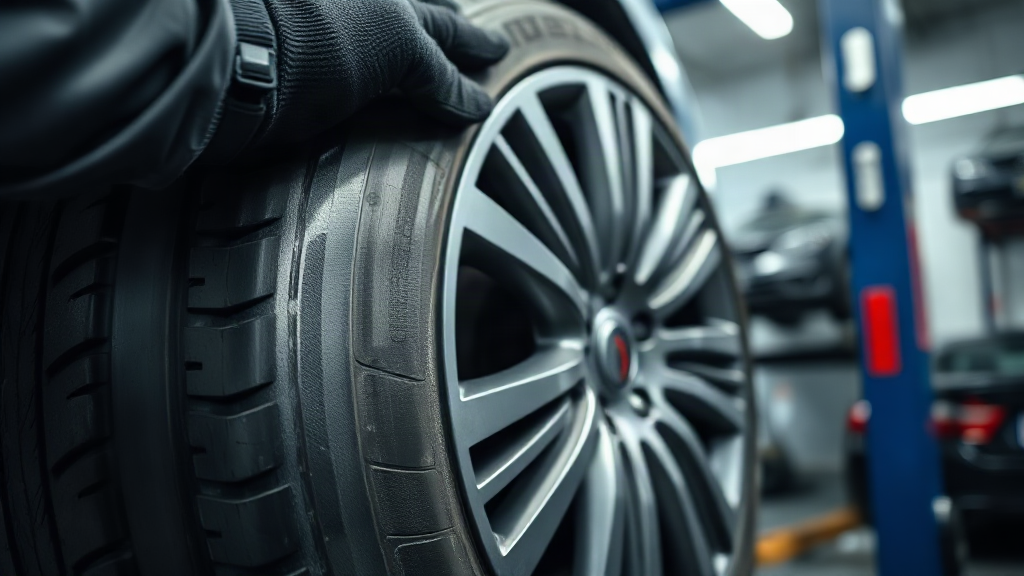
Pose d'un pneu d'hiver marqué du pictogramme dans un garage
A concrete example, with numbers
Take a documented industry case. One shop that deployed an AI voice agent booked 187 additional appointments over 90 days - 64 of them outside business hours. That added up to roughly $44,000 in extra revenue, at a monthly cost under $370. The agent paid for itself many times over. During a winter tire rush, when every open slot gets claimed instantly, that kind of return climbs even higher.
What an AI voice agent won't do (and shouldn't)
Let's be honest about the limits. An AI voice agent won't diagnose a suspension noise over the phone or quote a full brake job without an inspection. That's not its job. Its role is to screen, qualify, and book - then hand off the genuinely complex cases, emergencies, and upset customers to a human. Configured well, it acts as a smart buffer that protects your advisors' time for high-value work instead of drowning them in booking calls.
The same seasonal trap as heating
If this sounds familiar, it should: HVAC businesses live the same reality at the first hard freeze. A call spike compressed into a few days, overwhelmed staff, and customers defecting to whoever answers first. We mapped that pattern for heating and cooling companies in our article on winter call surges - and the lessons transfer almost directly to the auto shop.
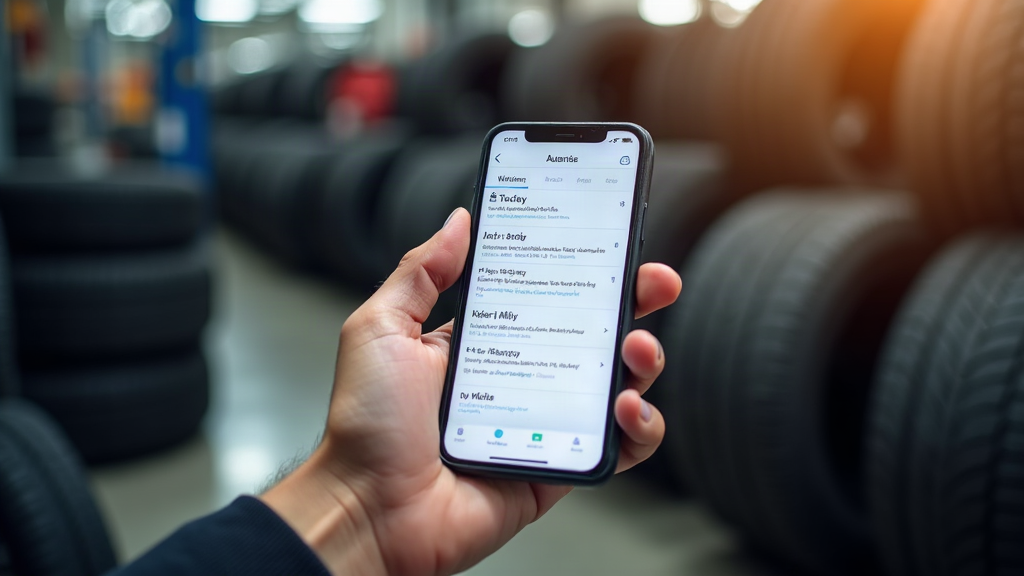
Calendrier de rendez-vous rempli pour la saison des pneus d'hiver
How to be ready before the rush
The worst move is to wait until November 30 to think about it. Tire season is set up in September or October, not the night before the first storm. In practice, five steps do it: connect the agent to your booking software, load your FAQ and swap pricing, write a greeting in your shop's voice, test the language switching, and clearly define which calls get handed to a human. The technology behind these agents is mature enough to stand up in days, not months.
Value that stretches well beyond winter
The agent you install to absorb the winter tire rush doesn't go dormant on March 15. The rest of the year it keeps answering - for oil changes, inspections, brakes, spring tire swaps, and roadside emergencies. The seasonal peak is just the most obvious trigger; the return runs across all twelve months. That's the difference between hiring temporary staff for six weeks and putting in a system that works nonstop, all year.
The winter tire rush is as predictable as the calendar. The only real question is whether your shop absorbs it on the phone or captures it in the schedule. An AI voice agent installed before the first snow turns every ring into an appointment - while your competitors let it ring out. Book a demo with Agent IA Vocal while there's still time to get ready for December.
What a call handled by the agent sounds like
To make it concrete, picture a typical call on a November evening. The customer dials your number at 8:40 p.m., well after closing. The agent answers on the first ring: "Thanks for calling, how can I help?" The customer says they want their winter tires installed this week. The agent asks for the vehicle's make and model, checks whether the tires are already in storage with you, offers two open slots on Thursday and Saturday, confirms the one the customer prefers, takes their name and number, and puts them on the schedule. In under two minutes, an appointment that would otherwise have hit voicemail - and probably been lost - is confirmed and locked in. The next morning, your advisor opens the software and simply sees a new booking already filled out.
Multiply that scenario by the dozens of daily calls in high season, and the gap between a shop that captures this demand and one that lets it slip becomes enormous. It's not a matter of a few appointments; it's the difference between a tire season that fills your schedule to the brim and one where you watch competitors book up while your voicemail overflows.
Three questions shop owners always ask
Does it sound robotic? Modern voice agents sound natural enough that many callers don't realize they're speaking with an AI. The agent handles interruptions, hesitations, and regional accents from coast to coast without missing a beat.
What if the customer has a real emergency? That's exactly what the transfer rule is for: a breakdown on the highway, an unsafe vehicle, a customer in distress - the agent recognizes these situations and hands off immediately to a human or an emergency number you define.
How long does setup take? For a typical shop, configuration takes anywhere from a few days to a week: connecting the calendar, the greeting script, pricing, and a testing phase before it takes real calls. Nothing that demands a multi-month IT project.